
Hiking & Climbing in Poland’s High Tatras: Europe’s Wild Mountain Playground
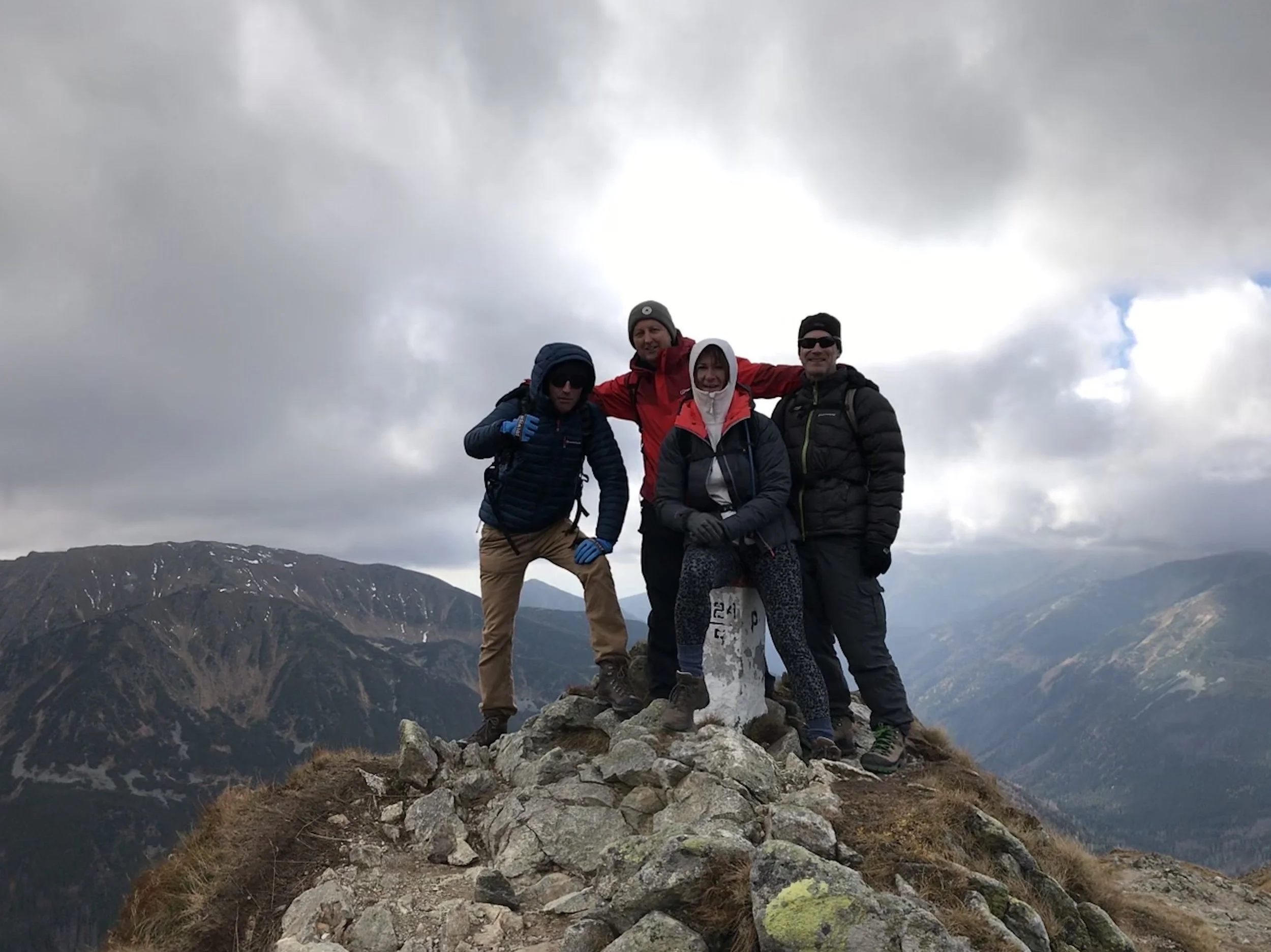
Tucked away along the border of southern Poland and Slovakia, the High Tatras are one of Europe’s most dramatic mountain ranges. Sharp granite peaks rise above emerald lakes, steep valleys disappear into dense pine forests, and narrow mountain paths wind through landscapes that feel far more remote than their relatively accessible location would suggest. For hikers, climbers and adventure seekers, the Tatras offer a perfect mix of natural beauty, well-organised trails and genuine mountain challenge.
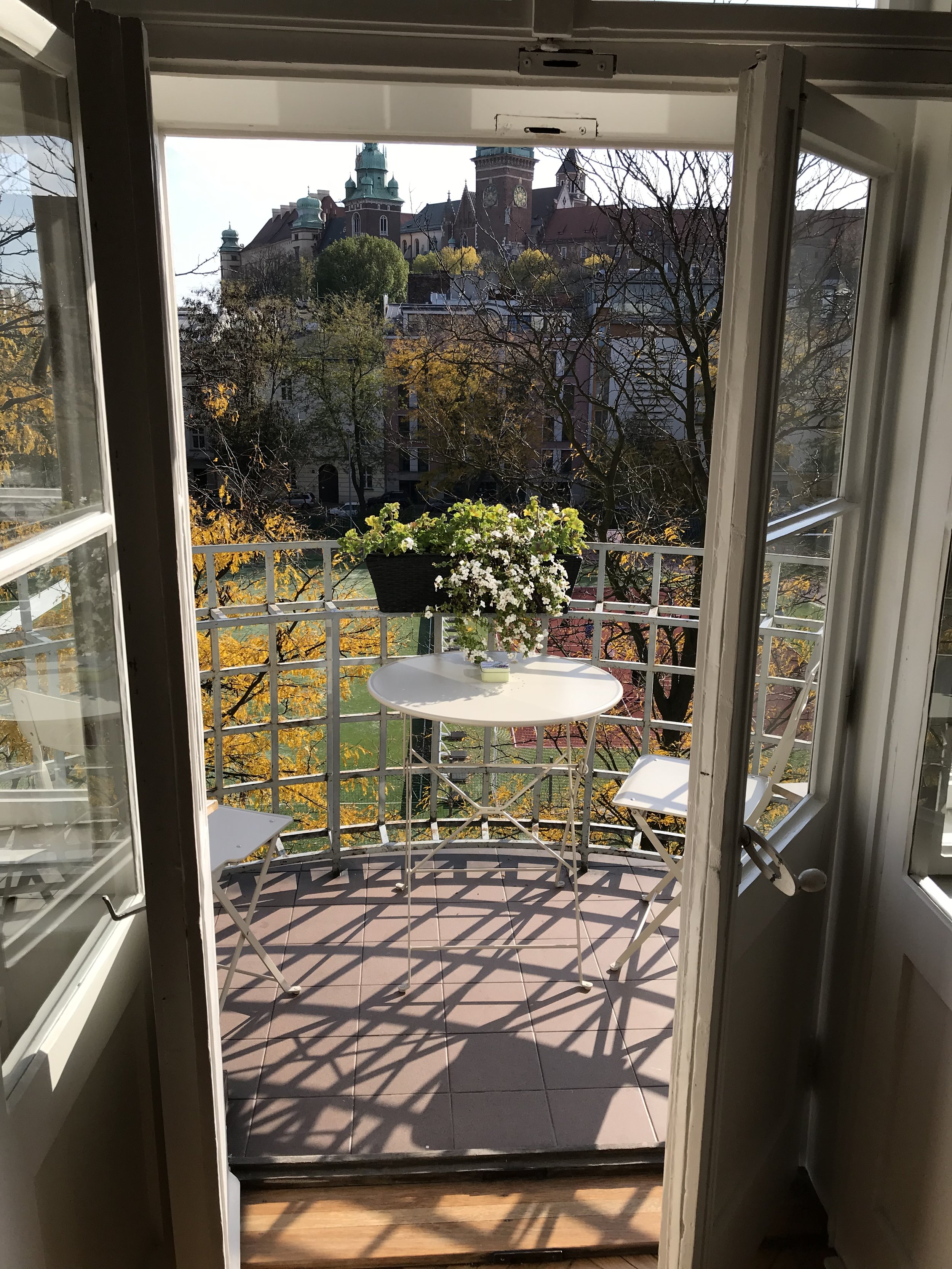
My own journey into the mountains began in the historic city of Kraków, where I spent a night soaking up the atmosphere of one of Poland’s most beautiful cities before heading south towards the mountains the following morning. Kraków makes an ideal gateway to the Tatras, with its medieval old town, lively cafés and relaxed pace providing a stark contrast to the rugged terrain waiting further south.
From Kraków to the Mountains
The route from Kraków to the High Tatras is surprisingly straightforward. After an early start, I boarded a bus heading towards the mountain town of Zakopane, often referred to as the winter capital of Poland. The journey takes around four hours depending on traffic, winding gradually away from the city and deeper into the countryside before the jagged outline of the Tatras finally appears on the horizon.
Even before arriving, the mountains dominate the landscape. The peaks seem to rise suddenly from the rolling foothills, creating a skyline unlike anywhere else in Poland. As the bus approaches Zakopane, wooden mountain lodges, traditional highlander architecture and outdoor gear shops begin to replace the urban scenery of Kraków, making it clear that this is a town built around mountain life.
Exceptionally Well Signposted Trails
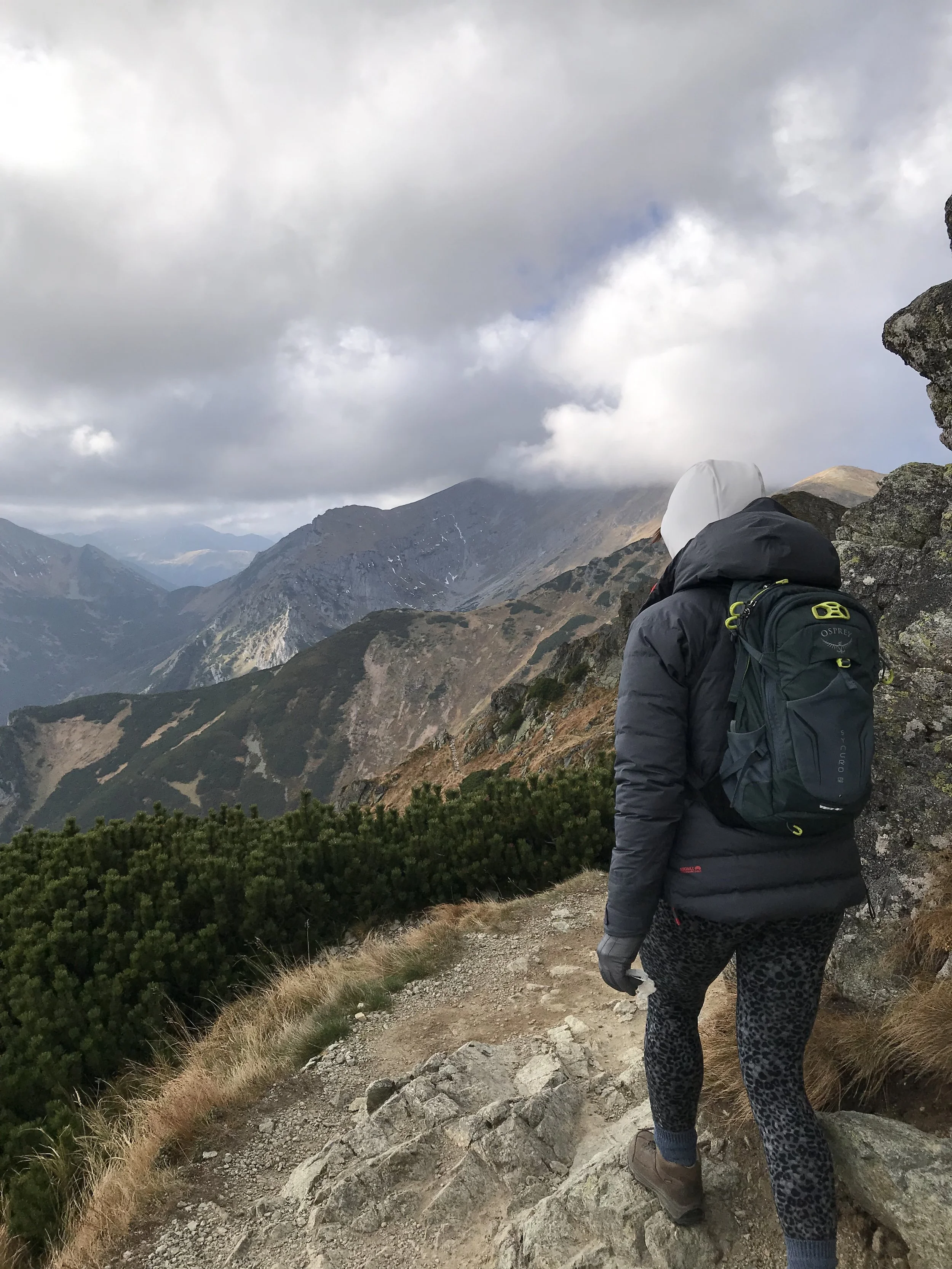
One of the most impressive aspects of hiking in the High Tatras is how incredibly well signposted the trails are. Whether you are heading out on a short valley walk or a full-day mountain traverse, the route markings are consistent, clear and easy to follow.
Poland’s mountain trail system uses coloured markers painted onto rocks and trees, with yellow, red, blue, green and black trails indicating different routes rather than difficulty levels. Along most paths you will also find signposts displaying estimated walking times to nearby destinations, making navigation simple even for those unfamiliar with the area.
This excellent infrastructure allows hikers to focus less on worrying about directions and more on taking in the scenery around them. And the scenery is unforgettable.
A Landscape That Feels Truly Alpine
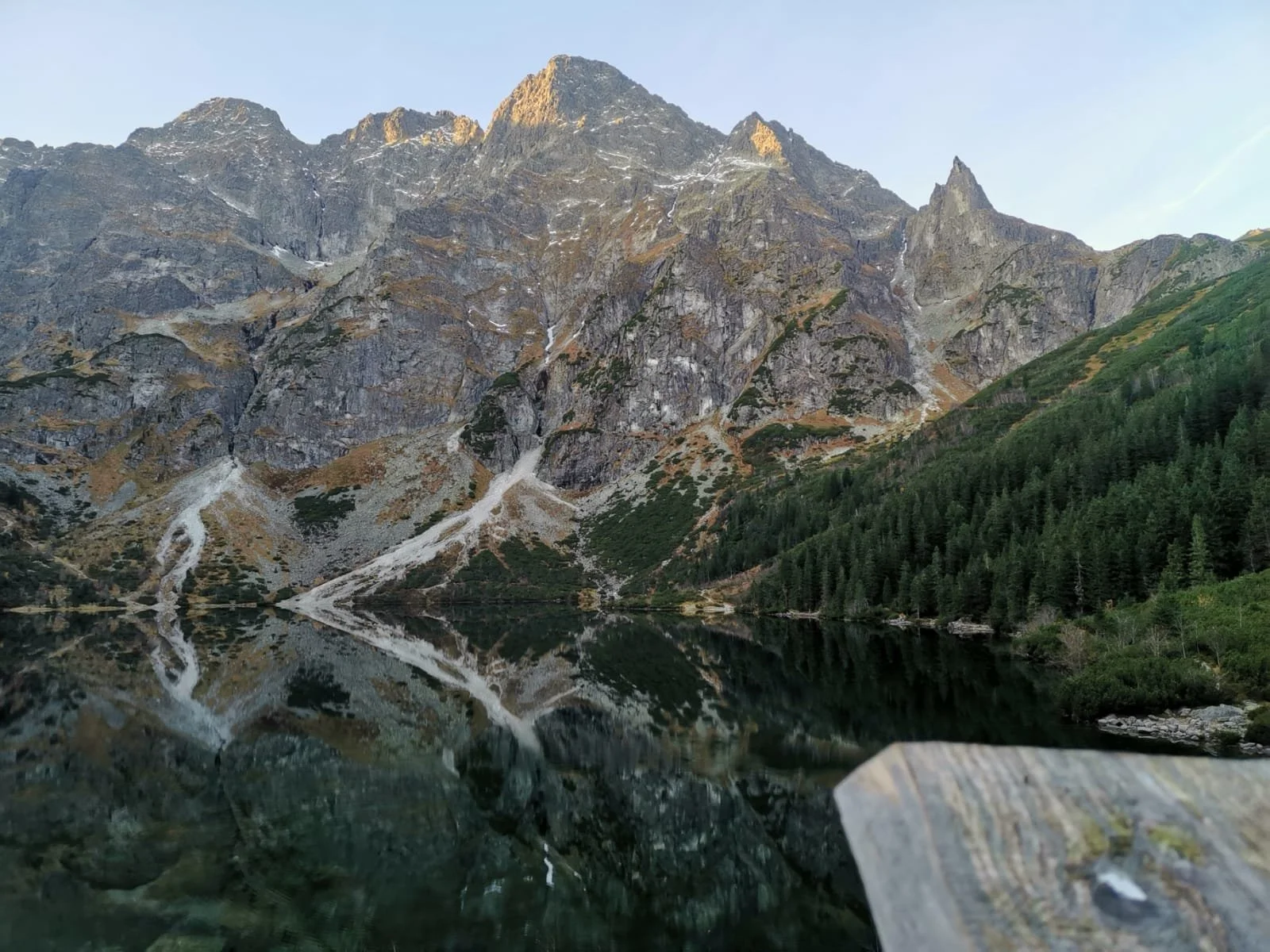
The High Tatras may not be as famous internationally as the Alps, but in many ways they feel even more dramatic. The mountains are compact, steep and rugged, with towering cliffs and sharp ridgelines packed into a relatively small area.
Crystal-clear lakes known locally as “stawy” reflect the surrounding peaks, while waterfalls tumble down rocky valleys carved out by ancient glaciers. One moment you are hiking through dense forest filled with birdsong, and the next you emerge onto exposed rocky terrain with panoramic views stretching across Poland and Slovakia.
Popular routes such as the hike to Morskie Oko, one of the region’s most famous lakes, attract large numbers of visitors, but it does not take long to escape the crowds and find quieter trails leading into more remote sections of the mountains.
For experienced hikers, the Tatras offer countless opportunities for challenging ascents, scrambling routes and exposed ridge walks that rival some of Europe’s more famous alpine destinations.
The Extreme Side of the Tatras
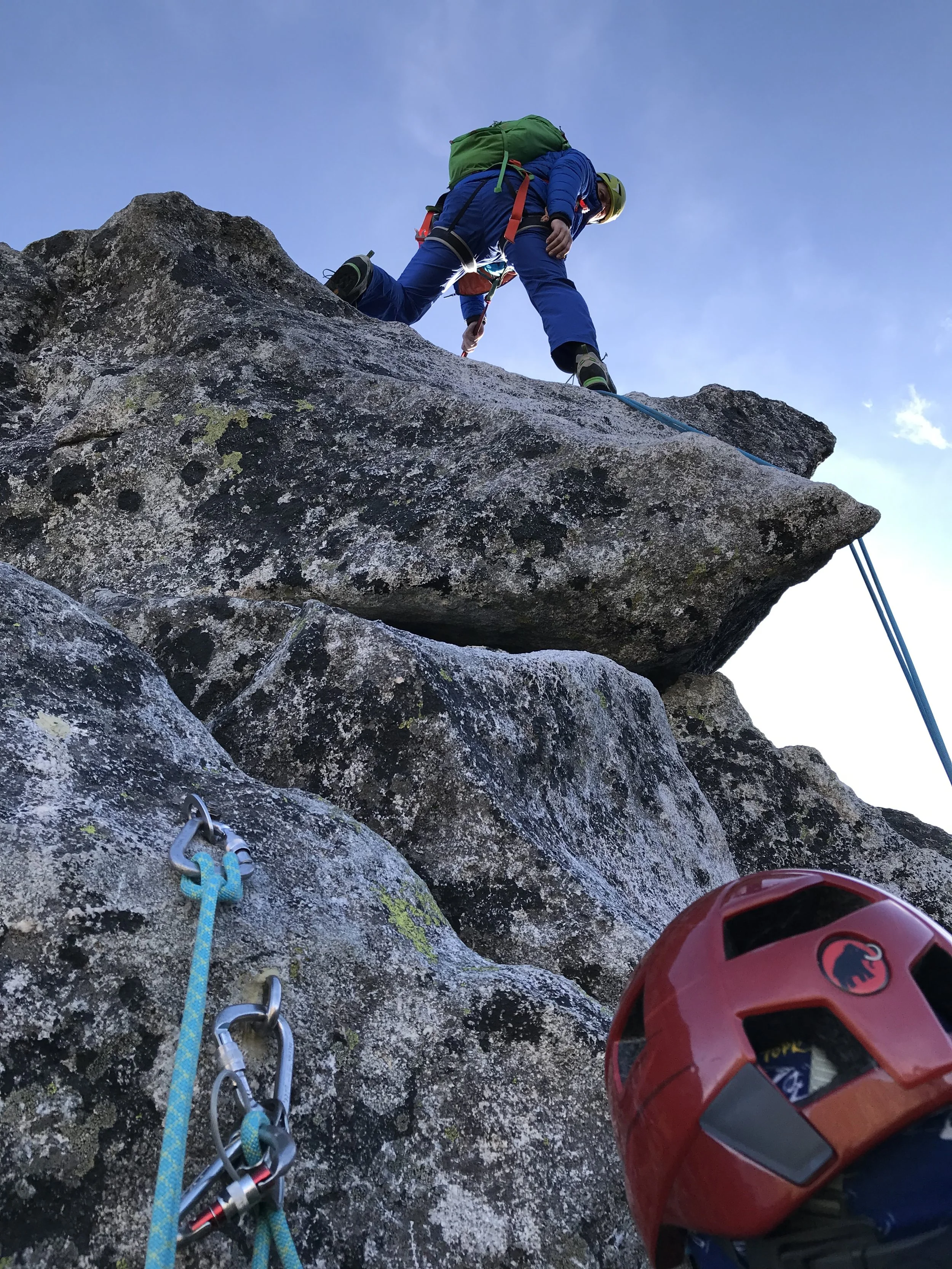
While many visitors come purely for hiking, the High Tatras also have a serious mountaineering culture. Climbers from across Europe travel here to tackle steep rock faces, technical ridges and challenging alpine terrain.
The most infamous route in the Polish Tatras is undoubtedly the Orla Perć, often translated as Eagle’s Path. This high-level ridge route has gained legendary status among experienced hikers and mountaineers due to both its incredible scenery and its very real dangers.
Orla Perć is not a standard hiking trail. The route includes exposed traverses, near-vertical sections assisted by chains and ladders, narrow ledges and steep drop-offs where a mistake could easily prove fatal. Sudden weather changes are another major risk in the Tatras, with storms capable of rolling in quickly and turning the ridge into an extremely dangerous environment.
Despite the dangers, Orla Perć remains one of the most sought-after mountain routes in Poland. For confident and properly prepared hikers, it offers an unforgettable experience high above the valleys below. However, it demands respect, careful planning and a realistic assessment of your own abilities. Every year, accidents occur on the route, often involving people who underestimate the technical difficulty or attempt it in poor conditions.
Even if you never intend to tackle Orla Perć yourself, simply knowing that such a wild and exposed route exists adds to the adventurous atmosphere of the Tatras. These mountains feel raw, untamed and authentic in a way that is increasingly rare in many heavily commercialised alpine destinations.
Why the High Tatras Should Be on Every Adventurer’s List
What makes the High Tatras so special is the balance they strike between accessibility and genuine mountain adventure. You can leave the cultural charm of Kraków in the morning and, just a few hours later, find yourself standing beneath towering granite peaks in a landscape that feels completely removed from city life.
The excellent trail network makes the region approachable for casual hikers, while the steep ridges and technical routes ensure there is still plenty here for experienced mountaineers seeking a challenge.
Whether you are hiking to alpine lakes, scrambling along exposed ridgelines or simply sitting in a mountain hut watching clouds drift around the peaks, the Tatras leave a lasting impression. They may be smaller than the Alps, but their beauty, intensity and atmosphere make them every bit as memorable.
